

The Importance of Mental Health for Students
In today’s fast-paced, achievement-oriented world, student success is often measured by test scores, grades, and college acceptances. But what lies beneath those accomplishments is far more important—and too often overlooked: mental health.
At Salah Tawfik STEM School, we believe that a truly successful education supports the whole child: academically, emotionally, socially, and mentally. Just as we prioritize academic rigor and STEM innovation, we are equally committed to nurturing emotional well-being, resilience, and a positive mindset in our students.
Let’s explore why mental health is so crucial in a student’s life and how we, as a school and community, can better support the young minds entrusted to us.
What Is Mental Health, and Why Does It Matter in School?
Mental health refers to a person’s emotional, psychological, and social well-being. For students, this means how they handle stress, relate to others, manage their emotions, and make decisions—both in and out of the classroom.
Strong mental health helps students:
- Stay motivated and engaged in learning
- Build positive relationships with peers and adults
- Manage pressure and setbacks
- Develop a strong sense of identity and self-worth
When students feel emotionally supported and mentally strong, they are better equipped to thrive in the demanding world of STEM education. On the flip side, when mental health is neglected, even the brightest student may struggle to succeed.
The Pressures Students Face Today
Students today are growing up in a world that is more connected, competitive, and fast-paced than ever before. While they have access to more resources and opportunities than previous generations, they also face a complex set of pressures that can deeply affect their mental and emotional well-being.
At Salah Tawfik STEM School, we recognize that while our students are capable, curious, and driven, they are also human—and like all young people, they need support, understanding, and balance in their lives.
Here are some of the most common challenges today’s students face that may impact their mental health:
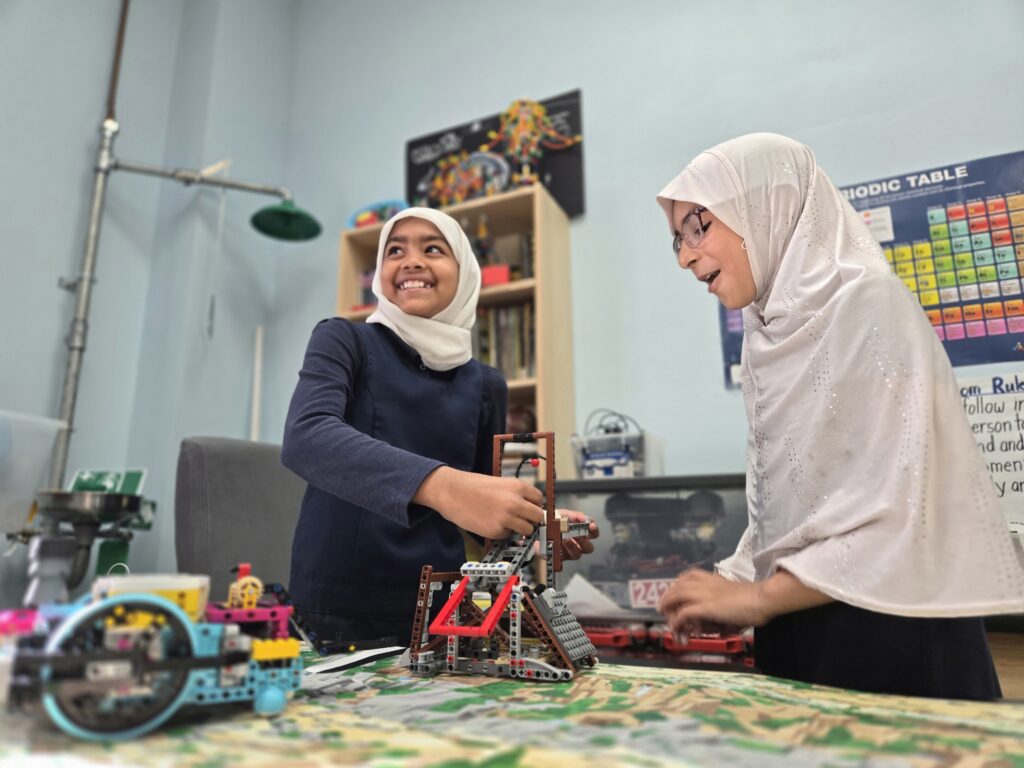
🔹 Academic Pressure
STEM education is exciting but can also be intense. The drive for high performance in math, science, robotics, and innovation-based competitions can create stress, anxiety, and even fear of failure.
🔹 Social Expectations
Friendship dynamics, peer pressure, and the desire to “fit in” can cause emotional strain—especially in middle and high school years. Social media has added an entirely new layer of pressure, comparison, and distraction.
🔹 Family and Personal Struggles
Family changes, financial challenges, or personal trauma can deeply impact a student’s mental state and ability to focus in school.
🔹 Uncertainty About the Future
With so much emphasis on college admissions, career readiness, and future planning, students can feel overwhelmed by the weight of expectations—especially when they’re still figuring out who they are.
All of these factors highlight why mental health must be at the center of our educational approach, not an afterthought.
Signs a Student May Be Struggling Mentally
Mental health challenges in students are not always easy to recognize. Unlike physical symptoms, emotional and psychological distress can be subtle, internal, and often hidden behind a smile or a quiet demeanor. Many students may not fully understand what they’re experiencing, and even if they do, they may be unsure of how to express their feelings—or may feel afraid, ashamed, or embarrassed to speak up.
This is especially true in school environments, where students may feel pressure to appear strong, successful, and in control. As a result, their emotional struggles can go unnoticed by teachers, parents, and even close friends.
That’s why it’s so important for adults—educators, counselors, and families—to be aware of the potential warning signs that a student may be struggling with their mental health.
Here are some common signs to look out for:
- Sudden changes in mood or behavior
- Withdrawal from friends or activities
- Loss of interest in school or declining grades
- Difficulty concentrating or making decisions
- Changes in sleep or eating patterns
- Excessive worry, irritability, or sadness
- Expressions of hopelessness or self-doubt
It’s important to note that these signs don’t always mean something is wrong, but they should be taken seriously and followed up with care and compassion.
How Salah Tawfik STEM School Supports Student Mental Health
We believe mental wellness is the foundation for meaningful learning. Here’s how we create a school culture that prioritizes mental health:
Safe and Supportive Environment
We work hard to build an inclusive, respectful, and nurturing environment where students feel valued and safe. Our classrooms are places of belonging, where it’s okay to be yourself and ask for help.
Open Conversations About Mental Health
We believe in removing the stigma around mental health. Through school-wide initiatives, wellness days, and classroom discussions, we encourage students to talk openly about stress, emotions, and well-being.
Trained Counselors and Support Staff
Our school counseling team is trained to support students through life’s ups and downs. Whether it’s a quick check-in or ongoing guidance, our counselors provide a safe space to talk, reflect, and grow.
Stress Management and Mindfulness Programs
We incorporate social-emotional learning and stress reduction into our school day. From mindfulness activities to journaling, time management workshops, and self-care lessons, students are given practical tools to manage pressure in healthy ways.
Parent and Family Support
We offer resources, workshops, and communication channels to help families understand and support their child’s mental health needs. When school and home work together, the results are powerful.

How Parents Can Support Their Child’s Mental Health at Home
You don’t need to be a mental health expert to support your child emotionally. Here are a few ways parents can make a big difference:
Create a Safe Space at Home
Make your home a judgment-free zone where your child feels comfortable expressing emotions without fear. Let them know that it’s okay to feel overwhelmed, nervous, or unsure—and that you’re there to help them through it.
Listen Without Jumping to Solutions
Sometimes, children don’t need advice right away—they just need someone to listen. Try to be present and open when they talk, even if what they’re saying is hard to hear.
Help Them Manage Stress
Teach your child to break big tasks into smaller ones, plan ahead, and take breaks. Encourage them to get enough rest, eat well, exercise, and make time for hobbies they enjoy.
Normalize Asking for Help
Reinforce that there’s no shame in talking to a counselor, teacher, or trusted adult when things get tough. Asking for help is a sign of strength—not weakness.
Mental Health Is Not a Luxury—It’s a Necessity
Too often, we think of mental health as something we “deal with” only when problems arise. But in reality, mental wellness is just as essential as physical health. It should be cared for and nurtured every day.
At Salah Tawfik STEM School, our goal is not just to prepare students for college or careers—we aim to prepare them for life. That includes giving them the emotional tools and support they need to grow into confident, resilient, and well-rounded individuals.
Final Thoughts: Let’s Build a Culture of Care, Together
Mental health is everyone’s responsibility—educators, parents, and the wider community. When we create environments where students feel seen, heard, and supported, we unlock their true potential.
Let’s continue working together to ensure that our students know they are never alone, that their feelings matter, and that who they are is more important than what they achieve.
Need Support or Resources?
If you’re a parent looking for more ways to support your child’s mental well-being, visit stemschool.net or reach out to our student support team. We’re here for you—and your child—every step of the way.

You may also like