
STEMS Islamic Studies Program
At Salah Tawfik School, our Islamic Studies program is at the heart of everything we do. We aim to instill a deep love for Islam in our students while helping them understand how to live it with purpose and pride in today’s world.
Our curriculum uses the trusted “I Love Islam” and “Learning Islam” series, offering age-appropriate lessons for each grade level. These materials build strong foundations in faith, character, and daily Islamic practice. Students learn core beliefs, moral values, prophetic stories, Islamic etiquette (adab), and how to apply Islamic teachings in real-life situations.
“Islam for Life” Philosophy
Our approach goes beyond textbook knowledge. We teach that Islam is not just a subject—it’s a lifelong way of living. Through engaging lessons and activities, students learn that:
Islam is a complete way of life, not just a religion.
Islam gives purpose and meaning to daily life.
Islam brings peace, happiness, and success in this world and the Hereafter.
Islam is a blessing and a commitment for life.
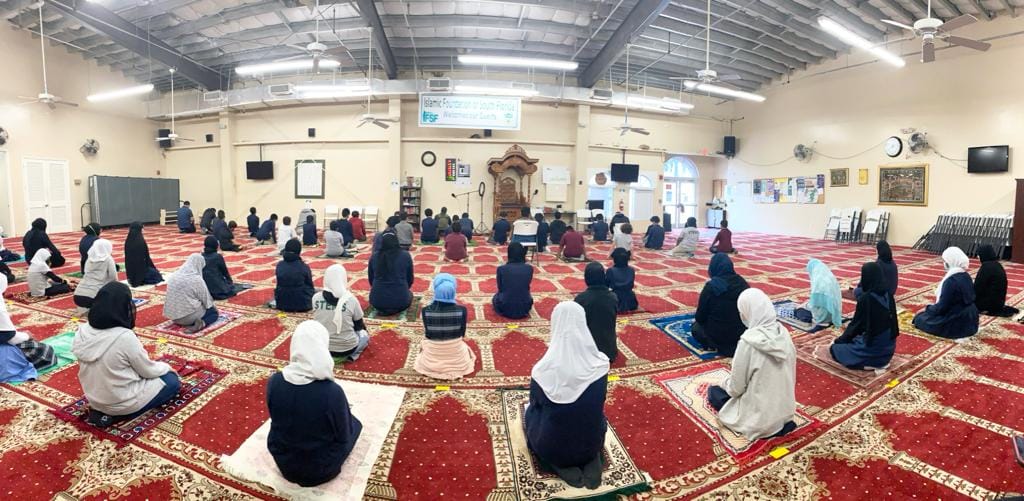
At Salah Tawfik School, Tarbiyah means more than learning — it’s living Islam every day.
Our Islamic Studies program uses Bloom’s Taxonomy to build deep understanding, reflection, and real-life application.
Lessons nurture belief, character, and behavior — raising students who live Islam with purpose and discipline.
Knowledge
Students learn essential facts, memorize Qur’anic terms, recognize Islamic principles, and identify key historical and religious figures.
Comprehension
They explain core beliefs, summarize ayat and Hadith, restate concepts in their own words, and discuss their relevance to daily life.
Application
Students apply learned concepts through daily practice, Islamic etiquette, classroom behavior, and real-world moral decision-making.
Analysis
They examine Islamic teachings in depth, compare different views, distinguish right from wrong, and reflect on ethical challenges.
Synthesis
Learners design projects, create presentations, write reflections, and connect Islamic values to personal growth and future goals.
Evaluation
Students assess behavior, evaluate choices, justify decisions, and align their actions with guidance from the Qur’an and Sunnah.