The Importance of Structure and Routine in a Child’s Education
In the world of education, success doesn’t come from textbooks and exams alone. While excellent teachers and strong academic content play a major role, one of the most underrated ingredients in a child’s success is something far more subtle yet deeply impactful: structure and routine.
For children, especially in their formative years, life can feel unpredictable. Having a consistent rhythm to their day is more than just comforting—it’s foundational. A clear routine gives them a sense of security, helping them manage time, prepare for transitions, and build habits of discipline and focus.
Routine also supports emotional development. When children know what to expect, they are better equipped to handle change and challenges with calmness and confidence.
Whether at school or home, structured environments give children the stability they need to grow intellectually, socially, and emotionally.
Why Structure and Routine Matter
Children naturally seek stability. In a world that can often feel fast-paced and unpredictable, routine provides a reliable anchor. Knowing what to expect each day helps children feel safe, confident, and in control of their environment. This sense of predictability reduces stress and anxiety, especially for younger children who are still learning how to make sense of the world around them.
When routines are consistent—whether it’s at home, in the classroom, or during after-school hours—children begin to internalize a framework for how to manage their time, behavior, and responsibilities. Over time, this structure supports not only academic success but also personal growth and emotional development.
Here are a few key reasons why structure and routine are vital in a child’s education:
1. Promotes Responsibility and Independence
Children thrive when they understand their role in the flow of the day. Following a routine—such as waking up at the same time, getting dressed, completing homework, or packing lunch—teaches them to be accountable for their own tasks. These small daily habits build a foundation of responsibility that gradually leads to greater independence.
Instead of needing constant reminders, children begin to anticipate what needs to be done, fostering confidence in their ability to manage themselves and contribute meaningfully to their environment.
2. Builds Better Focus and Time Management
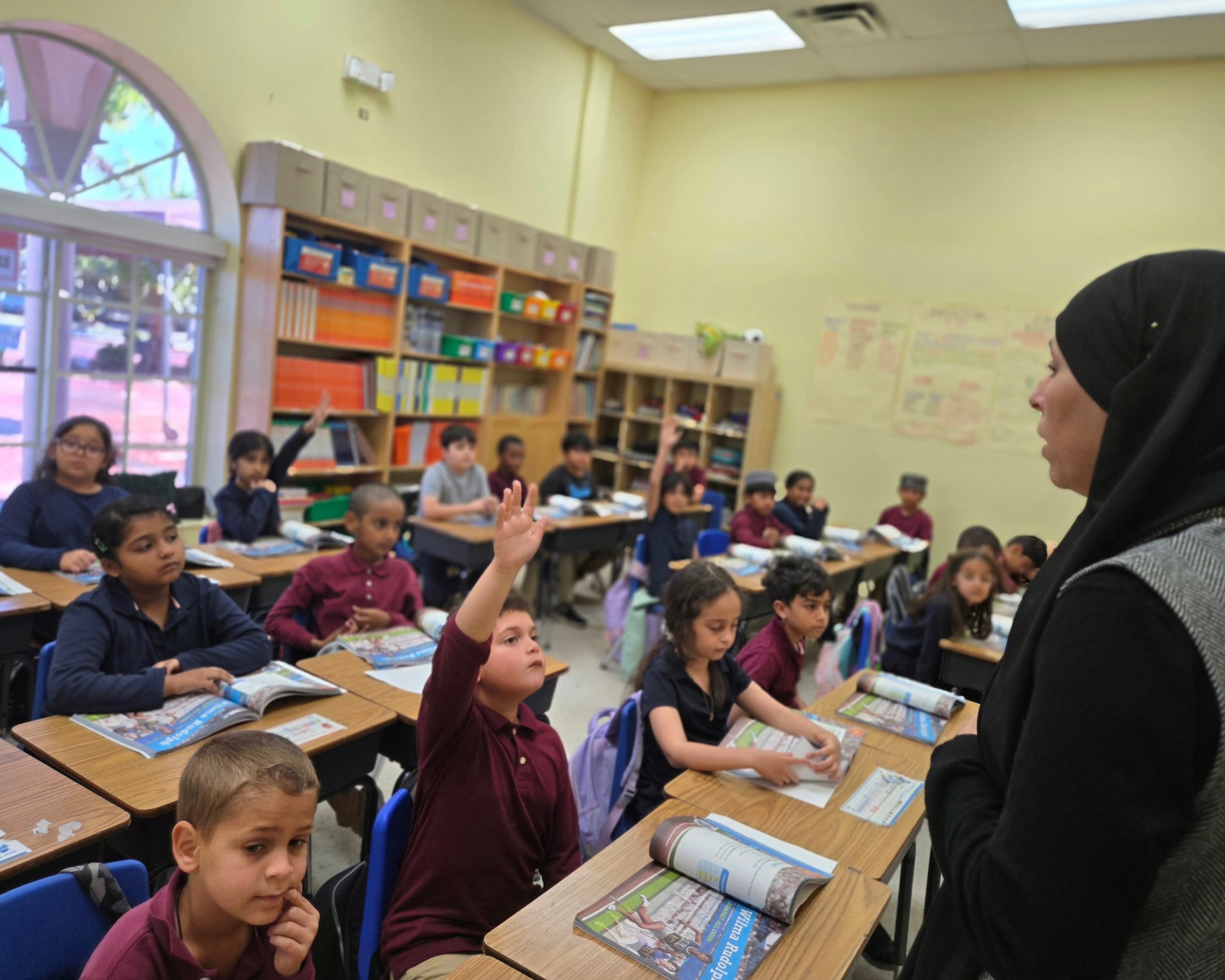
When time is structured and predictable, children learn to be mentally present in each moment. If they know that 4:00–5:00 p.m. is set aside for homework, and 6:00 is time for dinner or Qur’an review, they’re more likely to approach tasks with intention rather than distraction.
Over time, this regularity helps children improve their time management skills, allowing them to balance academics, extracurriculars, and rest in a healthy way. It also lays the groundwork for better study habits as they move into higher grades and face more complex workloads.
3. Strengthens Emotional Stability
A structured day does more than organize tasks—it also creates emotional safety. Children who follow a consistent routine tend to feel more in control and less overwhelmed. As a result, they’re less likely to act out and more likely to communicate their needs calmly and effectively.
Predictability can also be soothing during times of change or uncertainty. Even when external circumstances are stressful, maintaining a familiar routine can help children stay grounded and emotionally balanced—which is crucial for their overall well-being and academic engagement.
4. Supports Healthy Habits
Structure isn’t just about school schedules—it plays a crucial role in shaping a child’s overall lifestyle. Routine helps children develop healthy habits around sleep, nutrition, physical activity, and even spiritual reflection. When these habits are introduced early and practiced consistently, they tend to stick—forming a strong foundation for long-term physical and mental well-being.
A child who gets enough rest, eats meals at regular times, spends time outdoors, and pauses for reflection or prayer is far more likely to stay focused, energized, and emotionally balanced during the school day. These habits not only support academic performance, but also help children better regulate their emotions, behavior, and attention span.
Moreover, routines around hygiene, screen time, and family bonding also reinforce positive choices and self-discipline—skills that serve them well into adulthood.
5. Aligns with Islamic Values of Discipline and Order
Routine is deeply embedded in Islamic teachings, making it not only a practical tool for success but a spiritual one as well. Islam encourages discipline, consistency, and time management—from the structure of the five daily prayers (salah) to the schedule of Ramadan fasting, the annual pilgrimage (Hajj), and even the etiquettes of eating and studying.
By teaching children the value of structure early on, we are reinforcing the Islamic principles of accountability, responsibility, and balance. Following a routine doesn’t just help children succeed in school—it helps them grow into mindful Muslims who respect time, uphold commitments, and live with purpose.
Routine becomes a form of worship when it aligns with values like punctuality, gratitude, and self-discipline. Children who understand this connection are more likely to carry their faith with confidence in both their academic and personal lives.
Tips for Building Structure at Home and School
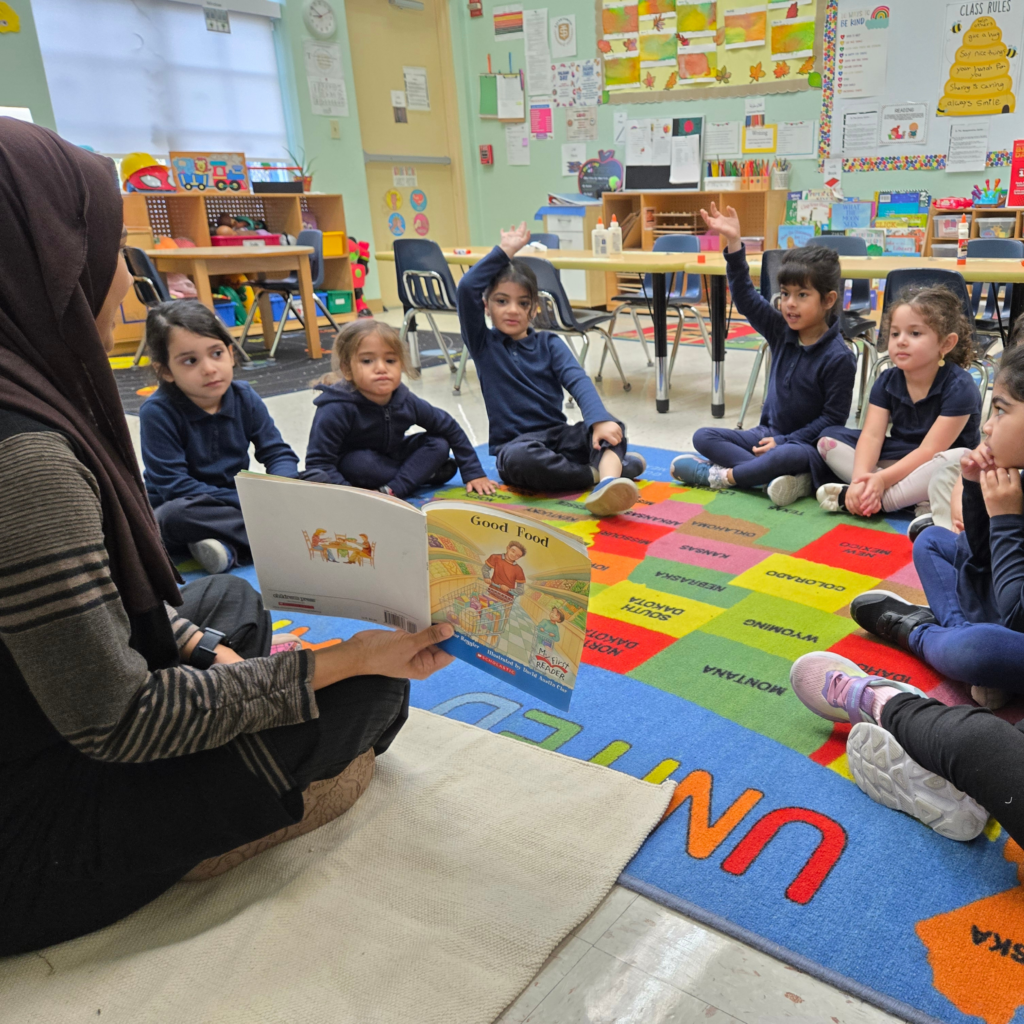
Creating structure doesn’t require strict rules or rigid schedules. In fact, the best routines are those that feel natural, flexible, and meaningful to the child. Here are some practical tips to help families and educators build structure in a way that supports learning, well-being, and personal growth:
1. Create a Visual Schedule
Young children often respond better to visual cues than verbal instructions. Consider using charts, whiteboards, or illustrated posters to map out their daily routine. Seeing a clear breakdown of the day helps them anticipate what comes next and builds a sense of security and control.
Use pictures for younger children and written lists for older ones. Include everything from schoolwork and playtime to prayer and meals. Keep it simple, colorful, and easy to follow.
2. Stay Consistent
Consistency is key to building strong habits. Even during weekends, holidays, or school breaks, maintaining a basic structure—like regular meal times, prayer, and bedtime—prevents disruption and helps children stay grounded.
That doesn’t mean every moment must be scheduled, but a predictable rhythm gives children something to rely on, no matter what changes around them.
3. Involve the Child
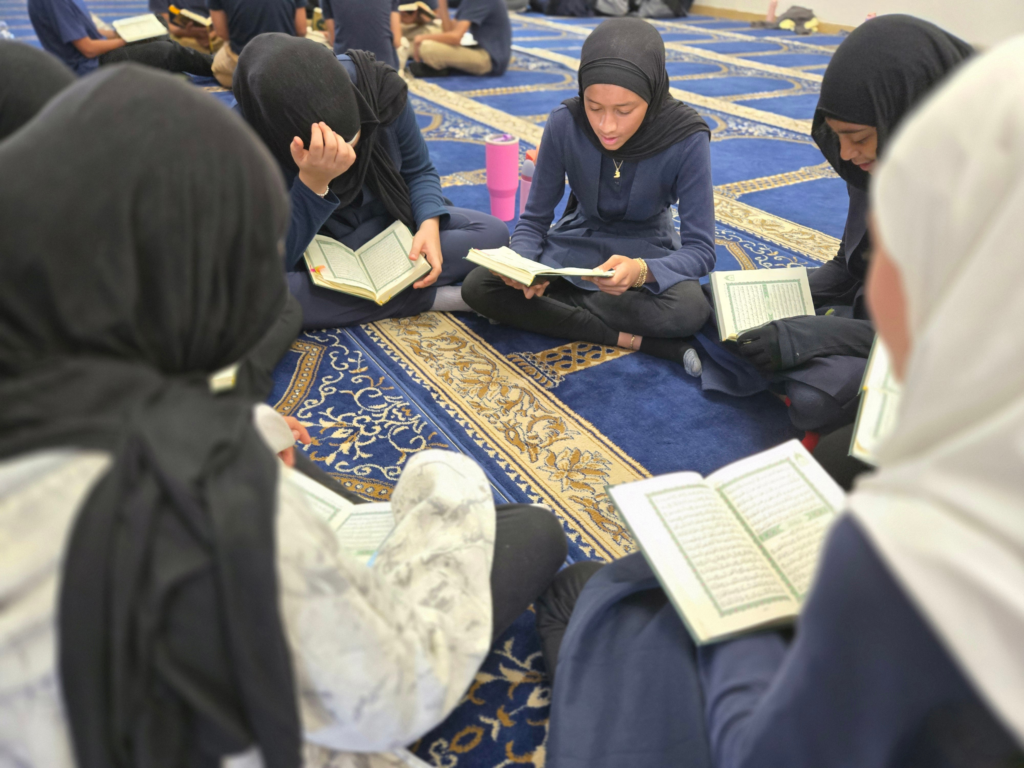
When children are involved in planning their own routines, they feel a greater sense of ownership and responsibility. Let them have a say in how they organize their after-school time, choose their reading hour, or decide when to review their Qur’an or homework.
This collaboration empowers children and teaches them important life skills like decision-making, accountability, and time management.
4. Model the Behavior
Children often imitate what they see. If parents, teachers, and caregivers demonstrate good habits—like waking up early, managing time wisely, or preparing for the next day—they send a powerful message.
By practicing what we preach, we show children that structure isn’t just something expected of them—it’s something we value and live by ourselves.
5. Balance is Key
A structured day should still feel joyful and flexible. Routine doesn’t mean rigidity—it means intentionality. Make sure to build in moments for free play, family time, relaxation, and creativity.
Children need both freedom and boundaries to thrive. A well-balanced routine nurtures growth without overwhelming, guiding children toward a healthy relationship with time and responsibility.
Final Thoughts
Structure and routine aren’t about control—they’re about creating a safe, predictable foundation from which children can explore, grow, and succeed. By establishing consistent habits, we help our children build confidence, stay focused, and develop life skills that go far beyond the classroom.
Whether it’s a set bedtime, scheduled prayer, or a regular reading hour, these small practices shape big futures.
Let’s give our children the tools they need to flourish—one routine at a time.
Ready to build strong habits and a brighter future for your child? Join us at Salah Tawfik School, where structure and routine support every step of their success.
Visit stemschool.net to learn more.

You may also like
Why Parents in Florida Choose Islamic Schools
The Role of Islamic Education Today