The Importance of Islamic Schools in America
In the heart of a diverse and ever-evolving society like the United States, education has become far more than a means to academic achievement—it is a powerful tool for shaping identity, cultivating values, and preparing young people to navigate a complex world. For many families, the school environment plays a defining role in how children view themselves, their place in the world, and the moral compass that will guide them through life.
For Muslim families across the nation, this reality is especially significant. In a society where religious identity is often misunderstood or misrepresented, and where cultural assimilation can sometimes come at the cost of spiritual integrity, the desire for a holistic, faith-based education is not only natural—it’s essential. Islamic schools have emerged as a vital response to this need, offering a sanctuary where children can receive not just academic instruction, but also a deep-rooted connection to their faith, heritage, and values.
These institutions provide far more than classroom learning. They offer students an environment where Islamic principles are not sidelined but embraced, where daily life is infused with Qur’anic teachings, and where character development is held in the same regard as test scores. In these spaces, young Muslims are encouraged to ask questions, explore their faith, and develop a strong moral foundation—preparing them not only for college and careers, but for life as thoughtful, ethical citizens of the world.
As the Muslim population in the U.S. continues to grow, now numbering over 3.5 million and counting, the role of Islamic schools becomes more prominent than ever before. They serve not just individual families, but the broader goals of preserving cultural identity, promoting religious literacy, and building strong, resilient communities. Their presence enriches the American educational landscape by adding diversity, values-based leadership, and a model of education that nurtures both the heart and the mind.
In today’s climate—marked by increasing cultural polarization and the ongoing challenges of identity and belonging—Islamic schools stand as beacons of balance, offering young Muslims the opportunity to thrive academically without compromising their beliefs. They represent not only a parental choice, but a community investment in the future of American Muslims—one rooted in faith, excellence, and the shared aspiration to raise children who are proud of who they are and prepared to contribute meaningfully to society.
Preserving Faith and Identity in a Diverse Society
In today’s increasingly global and multicultural society, young people are constantly navigating a wide range of influences—from media and peer interactions to societal norms that may not always align with their values. For Muslim families, one of the most compelling reasons for choosing Islamic schools is the desire to preserve and strengthen their children’s Islamic identity amidst these competing cultural narratives.
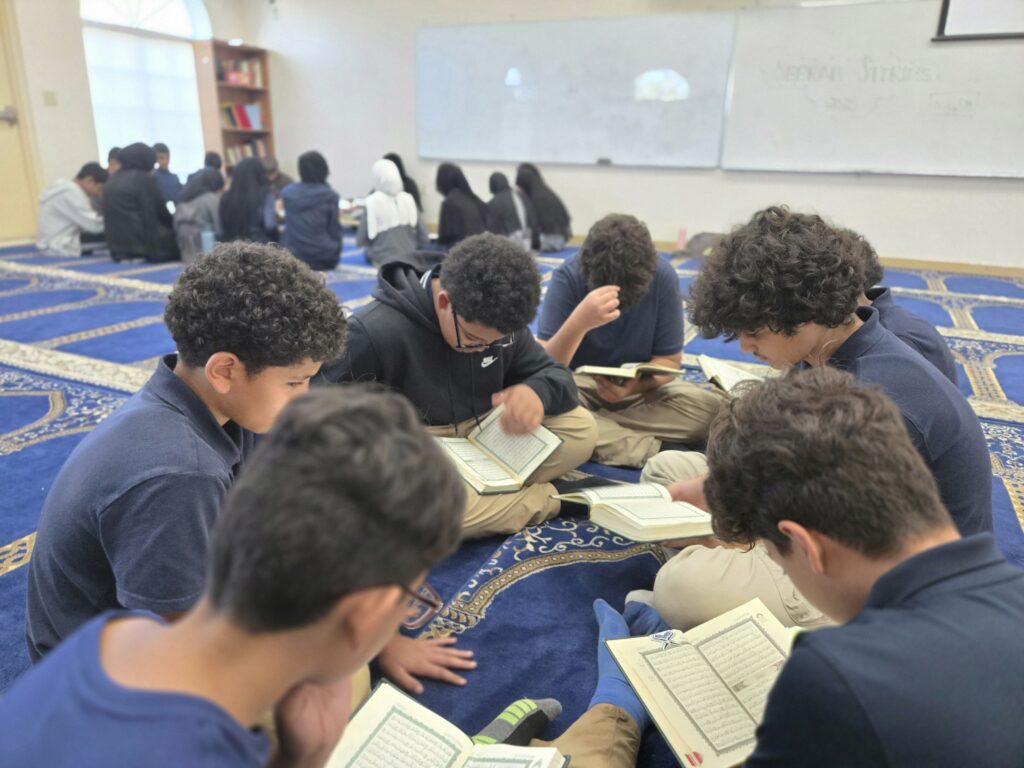
Islamic schools provide a protective yet empowering environment where faith is not treated as a side subject, but rather as a guiding force woven into every aspect of daily life. From the moment students step through the doors in the morning, their school day begins with Islamic tradition—reciting duas (supplications), engaging in Qur’an recitation, and being reminded of their connection to Allah (SWT) in everything they do. This spiritual grounding sets the tone for the day and creates a rhythm of remembrance that continues through structured prayer times and Islamic learning sessions.
Rather than compartmentalizing religion from academics, Islamic schools take an integrated approach to education. Subjects such as Fiqh (Islamic jurisprudence), Seerah (life of the Prophet Muhammad ﷺ), Aqeedah (creed), and Akhlaq (moral character) are part of the core curriculum, helping students understand how Islamic teachings apply to real-world situations. These lessons are not only informative, but transformative—they help children internalize their faith and make it a living, breathing part of their identity.
In contrast, students in secular or public school settings may struggle to reconcile their religious beliefs with the dominant cultural norms around them. Without consistent exposure to Islamic teachings in an educational context, it’s easy for a child to feel isolated, misunderstood, or pressured to downplay their religious practices to fit in. Islamic schools work proactively to counteract this alienation by affirming students’ values, normalizing religious observance, and celebrating Islamic culture and history.
Moreover, being surrounded by peers and teachers who share the same faith creates a powerful sense of community and belonging. Children see role models who reflect their values, participate in school-wide Ramadan programs and Eid celebrations, and engage in discussions about modern challenges through the lens of Islamic ethics. This not only builds confidence in their identity as Muslims but also prepares them to interact respectfully and confidently with the broader society, rooted in a strong understanding of who they are.
By reinforcing a child’s faith, values, and cultural heritage from an early age, Islamic schools play a critical role in developing youth who are not only proud of their Muslim identity but also capable of navigating the complexities of the modern world with integrity and resilience.
Academic Excellence with a Moral Compass
A common misconception about Islamic schools in the United States is that they focus solely on religious education. In reality, many of these schools are recognized for delivering high-quality academic programs that meet or exceed national standards. They strive to produce well-rounded students who are not only successful in their studies but also grounded in ethics and faith.
Islamic schools offer rigorous instruction in all core academic areas—mathematics, science, language arts, social studies, and technology—taught by qualified teachers using modern pedagogical methods. Many of these institutions also provide:
- Advanced Placement (AP) courses and honors programs to challenge high-achieving students
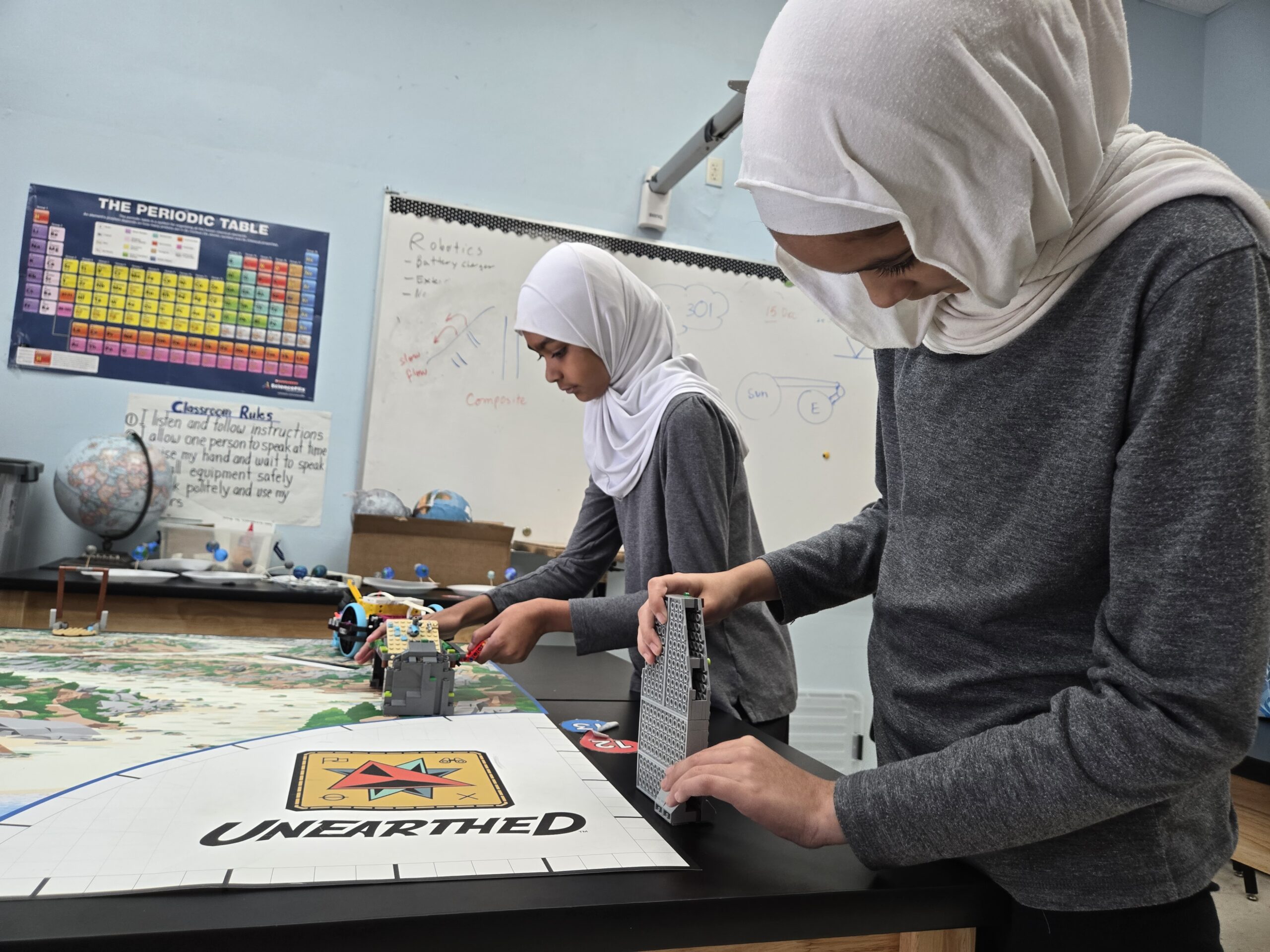
- STEM and technology integration to prepare students for a tech-driven world
- Small class sizes that promote personalized instruction and academic support
- Enrichment activities and academic clubs that foster creativity and leadership
These academic opportunities ensure that students are well-prepared for college and future careers. But what truly sets Islamic schools apart is their emphasis on character development alongside academic growth.
Islamic ethics are woven into every aspect of school life, from the curriculum to the classroom culture. Students are taught not only what to think but how to think—and how to act. Through lessons rooted in Qur’anic principles and the Sunnah of the Prophet Muhammad ﷺ, they learn to:
- Lead with compassion
- Serve others with humility
- Make decisions with integrity
- Uphold justice and fairness in their interactions
Teachers serve as role models, embodying the very values they teach, and guiding students not only through academics but through real-life ethical dilemmas and social development.
Additionally, many Islamic schools incorporate community service projects, leadership programs, and moral development workshops, helping students apply Islamic principles in their everyday lives.
The result is an education that does more than prepare students for tests—it prepares them for life, equipping them with the knowledge, values, and confidence to be principled, productive members of society.
A Safe and Supportive Environment
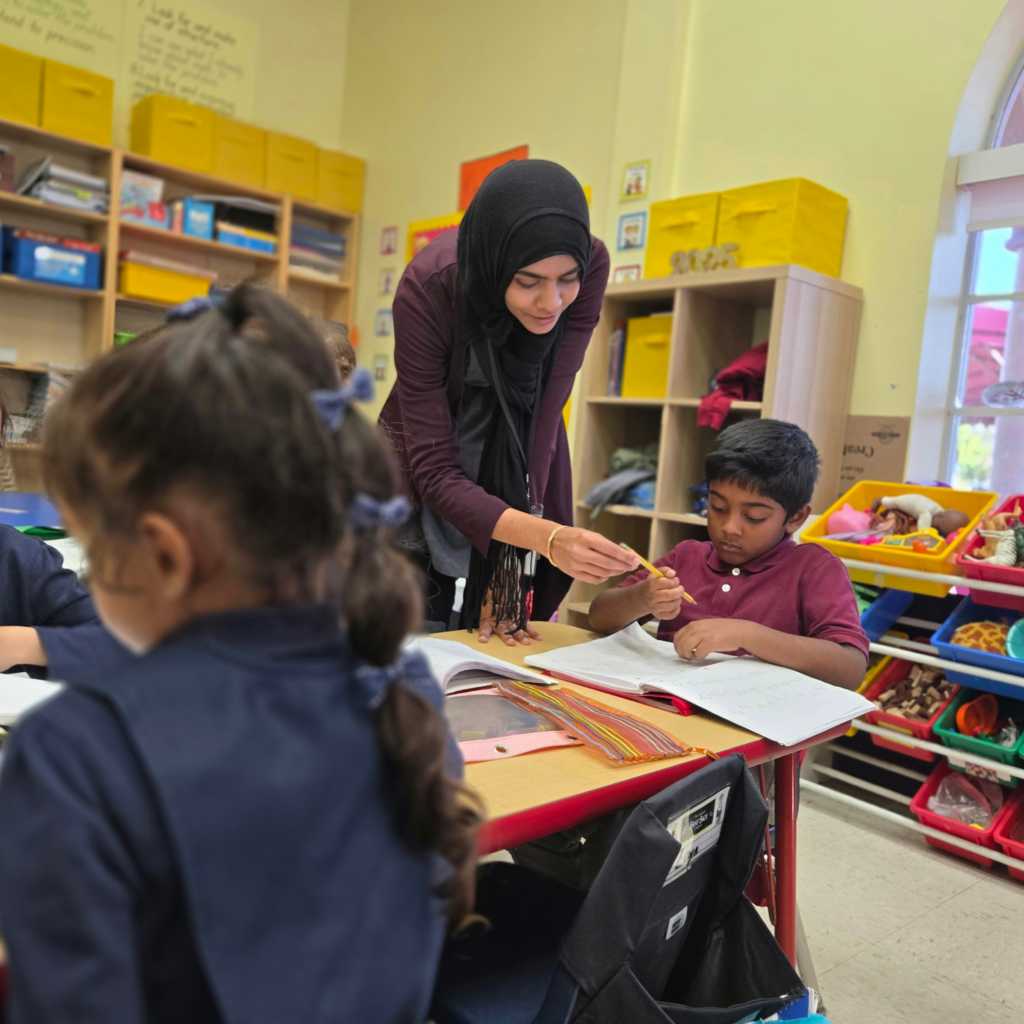
In today’s educational landscape, where issues such as bullying, cultural alienation, and mental health concerns are alarmingly prevalent, the importance of a safe and supportive school environment cannot be overstated. For Muslim families, Islamic schools offer a vital solution: a nurturing space where children can feel emotionally secure, culturally understood, and spiritually supported.
Unlike mainstream schools, where Muslim students may often feel isolated or pressured to downplay their identity, Islamic schools surround students with peers who share similar values, traditions, and beliefs. This shared environment helps foster a sense of belonging and confidence that positively shapes self-esteem and emotional well-being. Students are encouraged to be themselves, to express their faith without fear, and to develop meaningful friendships grounded in mutual respect.
Furthermore, the educators in Islamic schools play a critical role in this safe space. Teachers are more than academic instructors—they are faith-aligned mentors and role models who guide students with compassion, cultural sensitivity, and deep understanding of Islamic teachings. They help reinforce not just academic goals but also emotional intelligence, mental resilience, and spiritual grounding.
Some of the features that contribute to a supportive environment include:
- Daily prayer times, fostering mindfulness and spiritual routine
- Faith-based counseling and mentorship programs for emotional support
- Modest dress codes and clear behavioral expectations that align with Islamic values
- Family involvement, with regular communication and engagement between parents and school leadership
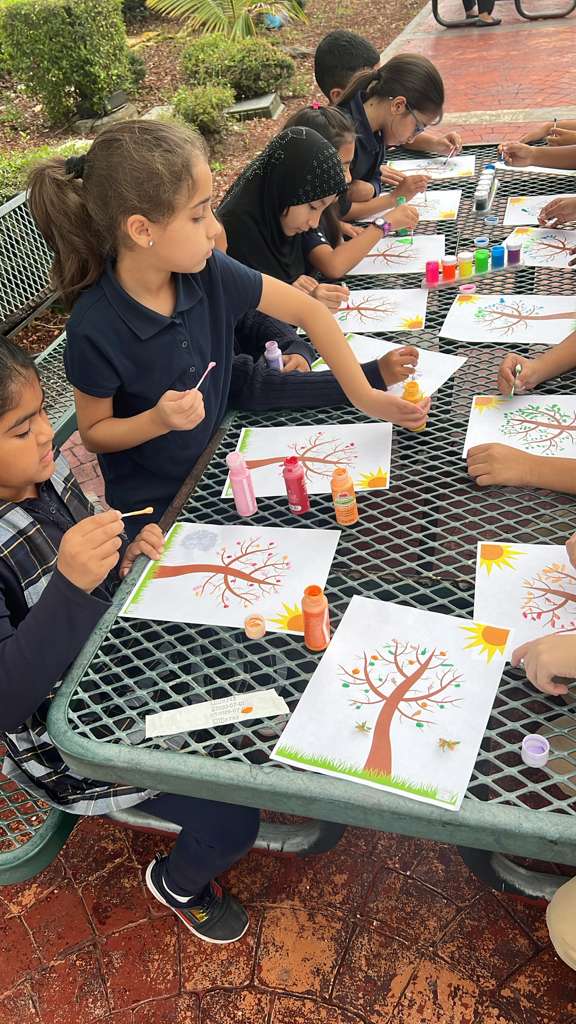
Together, these elements create a school culture where students feel seen, safe, and supported—academically, emotionally, and spiritually.
Countering Islamophobia Through Education
Beyond serving individual families, Islamic schools in America play a pivotal role in the larger societal narrative—particularly when it comes to addressing and countering Islamophobia. In a world where Muslims are often misrepresented or misunderstood in mainstream discourse, Islamic schools offer a proactive, empowering alternative: an education rooted in knowledge, identity, and purpose.
Rather than teaching students to retreat in the face of prejudice, Islamic schools equip them with the tools to respond confidently and constructively. Through a curriculum that combines Qur’anic understanding, Islamic history, and civic awareness, students learn to see themselves not as outsiders, but as contributors to the diverse fabric of American society.
Students are taught how to:
- Understand and articulate Islamic principles in ways that foster dialogue and mutual understanding
- Engage in respectful interfaith and intercultural discussions, promoting coexistence and empathy
- Recognize and respond to bias or misinformation with knowledge and poise
- Use their education to advocate for justice, equity, and truth—both within their communities and in the broader public sphere
By graduating articulate, well-informed, and ethically grounded young adults, Islamic schools help reshape public perceptions of Muslims. These students go on to become doctors, lawyers, engineers, educators, entrepreneurs—and most importantly, ambassadors of a faith that values knowledge, compassion, and justice.
In doing so, Islamic schools not only protect Muslim youth from the harmful effects of discrimination, but also contribute to bridging societal divides, promoting understanding, and celebrating the richness of America’s pluralism.
Final Thoughts
The importance of Islamic schools in America cannot be overstated. They are shaping minds, preserving values, and uplifting communities in a way that is uniquely impactful and deeply needed. For Muslim parents seeking to raise confident, spiritually grounded, and academically successful children, Islamic schools offer a holistic solution rooted in both tradition and forward-thinking education.
As we look toward the future, investing in Islamic schools is not just about educating our children—it’s about investing in the soul of our community and the strength of our collective future.
Ready to give your child an education rooted in faith and excellence?
Visit STEMSchool.net and discover how Salah Tawfik Elementary and Middle School is shaping the next generation of confident, compassionate Muslim leaders.
Enroll today—where Islamic values meet academic success.

You may also like